Wellbeing
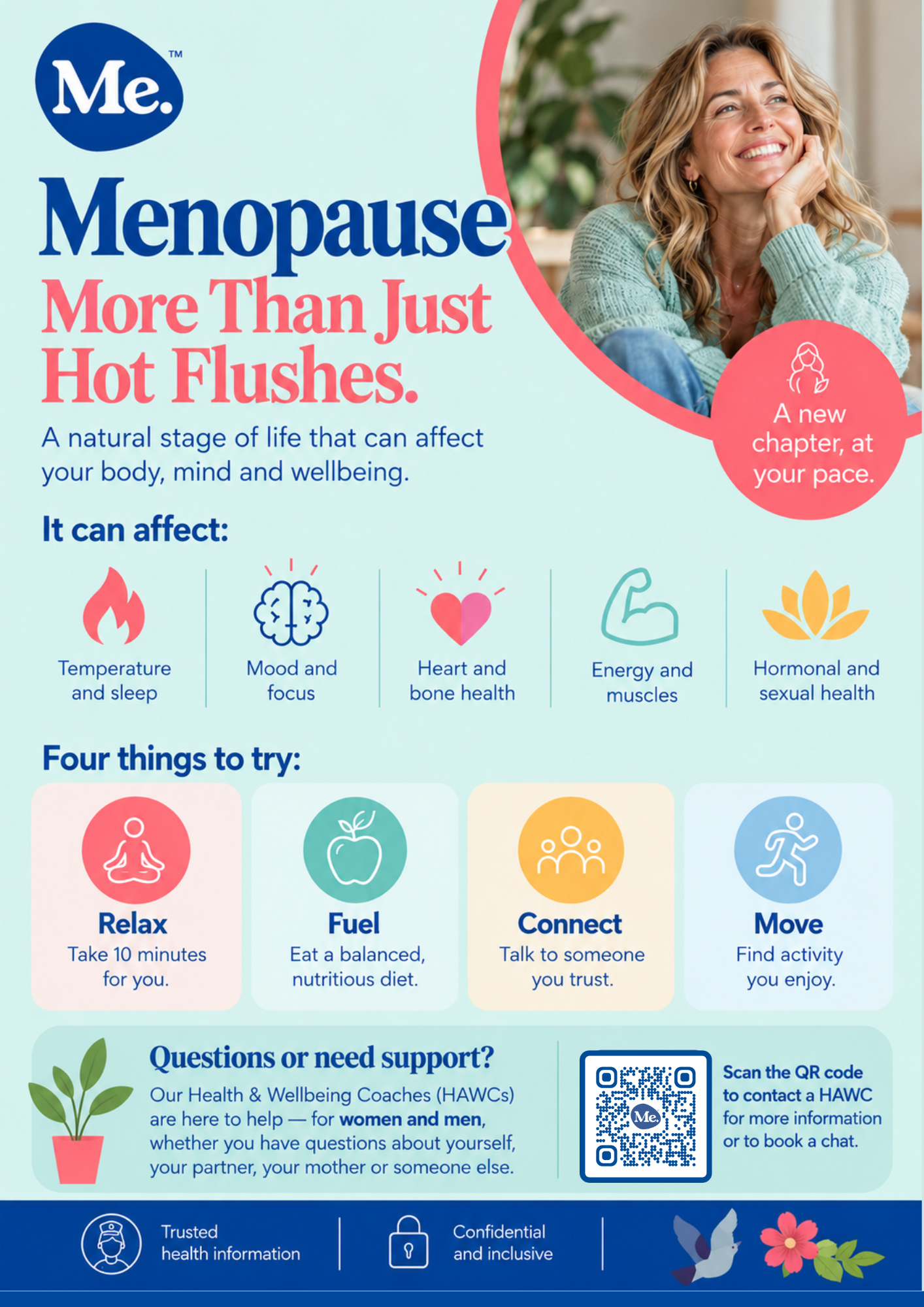
Menopause: More Than Just Hot Flushes
Menopause is a natural stage of life, but it is much more than simply the end of periods. Menopause is reached when you have had no periods for 12 consecutive months. The years leading up to this are known as perimenopause, when hormone levels begin to fluctuate and symptoms can occur while periods are still happening.
Early menopause occurs before the age of 45, while Premature Ovarian Insufficiency (POI) occurs before the age of 40 and affects around 1 in 100 women. Menopause can also be surgical or iatrogenic, meaning it results from surgery or medical treatment.
Menopause affects the whole body because changing levels of our sex hormones — oestrogen, progesterone and testosterone — influence many different systems.
Oestrogen supports bones, heart health, brain function, mood, skin and the urogenital system. Progesterone is involved in the menstrual cycle and can influence sleep and mood. Testosterone contributes to energy, motivation, muscle strength, bone health and sexual wellbeing.
This is why menopause can involve much more than hot flushes. Symptoms may include changes to sleep, mood, concentration, energy, joints, muscles and bladder or vaginal health.
Hormone Replacement Therapy (HRT) replaces hormones that the body is producing at lower levels and can be an effective treatment for many menopause symptoms. Whether HRT is appropriate is individual and should be discussed with a qualified healthcare professional.
Lifestyle also matters. Regular exercise, nutritious food, good-quality sleep, rest and relaxation, and time to manage stress can all support physical and emotional wellbeing.
Four Things to Try
- Relaxation: Give yourself 10 minutes each day without your phone or other distractions. Try slow breathing, mindfulness, yoga or simply sitting somewhere quiet.
- Eating: Aim for a varied, balanced diet including plenty of vegetables, fruit, wholegrains, protein and calcium-rich foods. Regular meals can also help support energy levels.
- Connection: Talk to someone you trust. Sharing how you are feeling can reduce the sense of coping alone. Consider speaking to friends, family, colleagues or a healthcare professional if symptoms are affecting you.
- Exercise: Find movement that you enjoy and can maintain. Walking, strength training, swimming, yoga or cycling can support physical health, mood, sleep and bone and muscle strength.
Small, consistent changes can make a positive difference. Menopause is a transition — and it is okay to ask for support along the way. Please book an appointment with a coach for further information and support.
Looking After Me
Ready to work with a coach?
One-to-one coaching can help you take meaningful steps forward. Browse our qualified coaches and book a session today.
Book a coaching session →